
Take a test BEFORE you start studying

“How do I start to prepare?”, invariably my answer is the same “Take a test.” BEFORE you decide to sign up for any course or tutor undertake any type of study it only makes sense that you find how much study you will need. Far too many people make assumptions about their scores. Whether you assume your score will be good or bad is irrelevant, it makes no sense to guess if you have the resources to find out the truth!
Once you’ve taken the test you must spend some time analyzing your performance and understanding what you need to do to achieve the score you want.

Character Feelings

You can describe your character’s feelings in more exact terms than just “happy” or “sad.” Check these lists for the exact nuance to describe your character’s intensity of feelings.
| Intensity of Feelings |
HAPPY | SAD | ANGRY | CONFUSED |
| High | Elated Excited Overjoyed Thrilled Exuberant Ecstatic Fired up Delighted |
Depressed Disappointed Alone Hurt Left out Dejected Hopeless Sorrowful Crushed |
Furious Enraged Outraged Aggrivated Irate Seething |
Bewildered Trapped Troubled Desperate Lost |
| Medium | Cheerful Up Good Relieved Satisfied Contented |
Heartbroken Down Upset Distressed Regret |
Upset Mad Annoyed Frustrated Agitated Hot Disgusted |
Disorganized Foggy Misplaced Disoriented Mixed up |
| Mild | Glad Content Satisfied Pleasant Fine Mellow Pleased |
Unhappy Moody Blue Sorry Lost Bad Dissatisfied |
Perturbed Uptight Dismayed Put out Irritated Touchy |
Unsure Puzzled Bothered Uncomfortable Undecided Baffled Perplexed |
| Intensity of Feelings |
AFRAID | WEAK | STRONG | GUILTY |
| High | Terrified Horrified Scared stiff Petrified Fearful Panicky |
Helpless Hopeless Beat Overwhelmed Impotent Small Exhausted Drained |
Powerful Aggressive Gung ho Potent Super Forceful Proud Determined |
Sorrowful Remorseful Ashamed Unworthy Worthless |
| Medium | Scared Frightened Threatened Insecure Uneasy Shocked |
Dependent Incapable Lifeless Tired Rundown Lazy Insecure Shy |
Energetic Capable Confident Persuasive Sure |
Sorry Lowdown Sneaky |
| Mild | Apprehensive Nervous Worried Timid Unsure Anxious |
Unsatisfied Under par Shaky Unsure Soft Lethargic Inadequate |
Secure Durable Adequate Able Capable |
Embarrassed |
7 Ways to Overhaul Your Brain

While most exercise is focused on strengthening and improving your physical body and muscles, there is very little focus on keeping your brain sharp and healthy. This is interesting because the brain is obviously the most important organ in your body, not only controlling the muscles people spend hours working to build up, but also your memory, thought process, attitude, etc. Don’t get me wrong, abs are great, but the brain needs to be supplemented too. It is far more important to your overall well-being. Here are the best exercises/activities that you can do to keep your brain in tip-top condition:
1. Challenge Your Brain
The majority of people are stuck in ruts. They go to the same job everyday, hang out with the same friends and eat at the same places. While that may feel safe, it’s not the most stimulating lifestyle for your brain. Those synapses have been built up enough, so try something that you do NOT know how to do! Buy a model car kit, master the art of sudoku or crosswords, or go pick up another major at your nearest college. The point is you need to be learning new things to keep your brain honest. Form new synapses by forcing your mind to work in ways it has not worked before. Just like physical workouts, doing too much of the same exercise will eventually give no results. Switch it up!
2. Brain-Food
Eat:
– Sources of Omega-3 fatty acids, mainly fatty fish and grass-fed animals. Omega-3′s are instrumental in making your brain membranes fluid, allowing signals to be passed back and forth. Obviously communication is pretty important in the brain, so keep those signals flowing!
– Enough food everyday! Your brain needs energy too, not just your muscles.
Do Not Eat:
– Too much cholesterol, high amounts are linked to brain diseases like Alzheimers.
– Too much fat, sugar, etc. All of that bad stuff is linked to brain health in addition to overall bodily health! System-wide diseases like hypertension, Type-II Diabetes and obesity have been linked to loss in cognitive ability and memory loss. If it’s not good for your physique, it’s probably not good for your brain either.
3. Sleep Well
R.E.M. sleep is critical for the for being able to retain information and maintaining learning ability. Sleep is the time when your brain resets, builds new synapses and brain cells and rids itself of the by-products of normal use. Sleep deprivation leaves you feeling not only tired, but less able to perform simple to advanced cognitive functions. So make sure you are getting that healthy minimum of 6, if not 8 hours of sleep per night. If that’s impossible, take a short nap during the day. Naps can do a lot more than you think, so use the info below to decide how long of a nap you need:
2-5 Minute – Reduces sleepiness
5-20 Minute – Increases alertness, stamina and cognitive performace.
20-30 Minute – Perks of the 2-20 minute nap, plus helps with muscle memory and clears the brain of information build-up, hence improving memory ability.
50-90 Minute – This get’s into the REM sleep cycle, so it helps with memory consolidation and virtually everything else. REM sleep is the one cycle that we as humans need to live without going. Alternate sleep cycles adjust the body to going directly into REM sleep, skipping out on the other non-important cycles. This nap will leave you a little groggy but will reset everything and restore complete cognitive power unless you have a massive REM sleep debt built up already.
4. Remember Stuff!
When it comes to memory, the use it or lose it rule applies. And considering your cognitive ability is relatively useless if you cannnot remember what you learned yesterday, you should probably start using it. Try pulling out an old photo album and recollecting entire days or events related to the photos you see. Really try to recall even the most insignificant of details; this should be a workout for your brain. Even try to remember a full conversation that you had yesterday, anything that get’s your memory going. If you’re having a lot of trouble with even those exercises, start a journal to get yourself to remember at the end of each day. That will build you up immediately so that you can start remembering less recent events.
5. Relax Regularly
With constant activity, overthinking and stress, your brain can get very over-loaded with a bunch of thought that just does not need to be there. More importantly, stress increases the chances of dimentia and Alzhiemers. Stress relseases the fight-or-flight hormones into your brain, reducintg your ability to think clearly. So throw out the insticts and relax instead: Take 15-30 minutes during the day and just sit in silence. Eyes open or closed, breath deeply for a little bit and try to empty your mind. Think about nothing. Then meditate, pray, do yoga, or just sit there. Whatever suits you. Just get that relaxation break in during the day so you can clear your mind.
6. Concentration
The ability to concentrate is obviously huge in terms of cognitive ability. You will dramatically increase your ability to think clearly and efficiently if you are able to concentrate better. So:
1. Practice! While you are relaxing, concentrate on something. One thing that you want or a problem that needs to be solved. Keep your mind on that topic for the length of your relaxation period. This is much more difficult than it sounds so just keep doing it. If you space out, shake your head and go back to concentrating!
2. Realize when you are distracted and what is causing it. If it is something that is weighing on you, address it right there and then! If you keep getting distracted, you will just be inefficient at whatever you are consciously trying to accomplish.
7. Alcohol is a poison, you know…
Don’t go overboard. Alcohol is just bad for the brain in large amounts. Check out this page which lists a seemingly infinite amount of brain functions that alcohol abuse impairs. Memory gets hit pretty hard in addition to overall cognitive ability. If you feel the need to intoxicated, try other safer drugs (like marijuana) instead of the “devil’s juice”.
20 Common Grammar Mistakes That (Almost) Everyone Makes

Who and Whom
This one opens a big can of worms. “Who” is a subjective — or nominative — pronoun, along with “he,” “she,” “it,” “we,” and “they.” It’s used when the pronoun acts as the subject of a clause. “Whom” is an objective pronoun, along with “him,” “her,” “it”, “us,” and “them.” It’s used when the pronoun acts as the object of a clause. Using “who” or “whom” depends on whether you’re referring to the subject or object of a sentence. When in doubt, substitute “who” with the subjective pronouns “he” or “she,” e.g., Who loves you? cf., He loves me. Similarly, you can also substitute “whom” with the objective pronouns “him” or “her.” e.g., I consulted an attorney whom I met in New York. cf., I consulted him.
Which and That
This is one of the most common mistakes out there, and understandably so. “That” is a restrictive pronoun. It’s vital to the noun to which it’s referring. e.g., I don’t trust fruits and vegetables that aren’t organic. Here, I’m referring to all non-organic fruits or vegetables. In other words, I only trust fruits and vegetables that are organic. “Which” introduces a relative clause. It allows qualifiers that may not be essential. e.g., I recommend you eat only organic fruits and vegetables, which are available in area grocery stores. In this case, you don’t have to go to a specific grocery store to obtain organic fruits and vegetables. “Which” qualifies, “that” restricts. “Which” is more ambiguous however, and by virtue of its meaning is flexible enough to be used in many restrictive clauses. e.g., The house, which is burning, is mine. e.g., The house that is burning is mine.
Lay and Lie
This is the crown jewel of all grammatical errors. “Lay” is a transitive verb. It requires a direct subject and one or more objects. Its present tense is “lay” (e.g., I lay the pencil on the table) and its past tense is “laid” (e.g., Yesterday I laid the pencil on the table). “Lie” is an intransitive verb. It needs no object. Its present tense is “lie” (e.g., The Andes mountains lie between Chile and Argentina) and its past tense is “lay” (e.g., The man lay waiting for an ambulance). The most common mistake occurs when the writer uses the past tense of the transitive “lay” (e.g., I laid on the bed) when he/she actually means the intransitive past tense of “lie” (e.g., I lay on the bed).
Moot
Contrary to common misuse, “moot” doesn’t imply something is superfluous. It means a subject is disputable or open to discussion. e.g., The idea that commercial zoning should be allowed in the residential neighborhood was a moot point for the council.
Continual and Continuous
They’re similar, but there’s a difference. “Continual” means something that’s always occurring, with obvious lapses in time. “Continuous” means something continues without any stops or gaps in between. e.g., The continual music next door made it the worst night of studying ever. e.g., Her continuous talking prevented him from concentrating.
Envy and Jealousy
The word “envy” implies a longing for someone else’s good fortunes. “Jealousy” is far more nefarious. It’s a fear of rivalry, often present in sexual situations. “Envy” is when you covet your friend’s good looks. “Jealousy” is what happens when your significant other swoons over your good-looking friend.
Nor
“Nor” expresses a negative condition. It literally means “and not.” You’re obligated to use the “nor” form if your sentence expresses a negative and follows it with another negative condition. “Neither the men nor the women were drunk” is a correct sentence because “nor” expresses that the women held the same negative condition as the men. The old rule is that “nor” typically follows “neither,” and “or” follows “either.” However, if neither “either” nor “neither” is used in a sentence, you should use “nor” to express a second negative, as long as the second negative is a verb. If the second negative is a noun, adjective, or adverb, you would use “or,” because the initial negative transfers to all conditions. e.g., He won’t eat broccoli or asparagus. The negative condition expressing the first noun (broccoli) is also used for the second (asparagus).
May and Might
“May” implies a possibility. “Might” implies far more uncertainty. “You may get drunk if you have two shots in ten minutes” implies a real possibility of drunkenness. “You might get a ticket if you operate a tug boat while drunk” implies a possibility that is far more remote. Someone who says “I may have more wine” could mean he/she doesn’t want more wine right now, or that he/she “might” not want any at all. Given the speaker’s indecision on the matter, “might” would be correct.
Whether and If
Many writers seem to assume that “whether” is interchangeable with “if.” It isn’t. “Whether” expresses a condition where there are two or more alternatives. “If” expresses a condition where there are no alternatives. e.g., I don’t know whether I’ll get drunk tonight. e.g., I can get drunk tonight if I have money for booze.
Fewer and Less
“Less” is reserved for hypothetical quantities. “Few” and “fewer” are for things you can quantify. e.g., The firm has fewer than ten employees. e.g., The firm is less successful now that we have only ten employees.
Farther and Further
The word “farther” implies a measurable distance. “Further” should be reserved for abstract lengths you can’t always measure. e.g., I threw the ball ten feet farther than Bill. e.g., The financial crisis caused further implications.
Since and Because
“Since” refers to time. “Because” refers to causation. e.g., Since I quit drinking I’ve married and had two children. e.g., Because I quit drinking I no longer wake up in my own vomit.
Disinterested and Uninterested
Contrary to popular usage, these words aren’t synonymous. A “disinterested” person is someone who’s impartial. For example, a hedge fund manager might take interest in a headline regarding the performance of a popular stock, even if he’s never invested in it. He’s “disinterested,” i.e., he doesn’t seek to gain financially from the transaction he’s witnessed. Judges and referees are supposed to be “disinterested.” If the sentence you’re using implies someone who couldn’t care less, chances are you’ll want to use “uninterested.”
Anxious
Unless you’re frightened of them, you shouldn’t say you’re “anxious to see your friends.” You’re actually “eager,” or “excited.” To be “anxious” implies a looming fear, dread or anxiety. It doesn’t mean you’re looking forward to something.
Different Than and Different From
This is a tough one. Words like “rather” and “faster” are comparative adjectives, and are used to show comparison with the preposition “than,” (e.g., greater than, less than, faster than, rather than). The adjective “different” is used to draw distinction. So, when “different” is followed by a preposition, it should be “from,” similar to “separate from,” “distinct from,” or “away from.” e.g., My living situation in New York was different from home. There are rare cases where “different than” is appropriate, if “than” operates as a conjunction. e.g., Development is different in New York than in Los Angeles. When in doubt, use “different from.”
Bring and Take
In order to employ proper usage of “bring” or “take,” the writer must know whether the object is being moved toward or away from the subject. If it is toward, use “bring.” If it is away, use “take.” Your spouse may tell you to “take your clothes to the cleaners.” The owner of the dry cleaners would say “bring your clothes to the cleaners.”
Impactful
It isn’t a word. “Impact” can be used as a noun (e.g., The impact of the crash was severe) or a transitive verb (e.g., The crash impacted my ability to walk or hold a job). “Impactful” is a made-up buzzword, colligated by the modern marketing industry in their endless attempts to decode the innumerable nuances of human behavior into a string of mindless metrics. Seriously, stop saying this.
Affect and Effect
Here’s a trick to help you remember: “Affect” is almost always a verb (e.g., Facebook affects people’s attention spans), and “effect” is almost always a noun (e.g., Facebook’s effects can also be positive). “Affect” means to influence or produce an impression — to cause hence, an effect. “Effect” is the thing produced by the affecting agent; it describes the result or outcome. There are some exceptions. “Effect” may be used as a transitive verb, which means to bring about or make happen. e.g., My new computer effected a much-needed transition from magazines to Web porn. There are similarly rare examples where “affect” can be a noun. e.g., His lack of affect made him seem like a shallow person.
Irony and Coincidence
Too many people claim something is the former when they actually mean the latter. For example, it’s not “ironic” that “Barbara moved from California to New York, where she ended up meeting and falling in love with a fellow Californian.” The fact that they’re both from California is a “coincidence.” “Irony” is the incongruity in a series of events between the expected results and the actual results. “Coincidence” is a series of events that appear planned when they’re actually accidental. So, it would be “ironic” if “Barbara moved from California to New York to escape California men, but the first man she ended up meeting and falling in love with was a fellow Californian.”
Nauseous
Undoubtedly the most common mistake I encounter. Contrary to almost ubiquitous misuse, to be “nauseous” doesn’t mean you’ve been sickened: it actually means you possess the ability to produce nausea in others. e.g., That week-old hot dog is nauseous. When you find yourself disgusted or made ill by a nauseating agent, you are actually “nauseated.” e.g., I was nauseated after falling into that dumpster behind the Planned Parenthood. Stop embarrassing yourself.
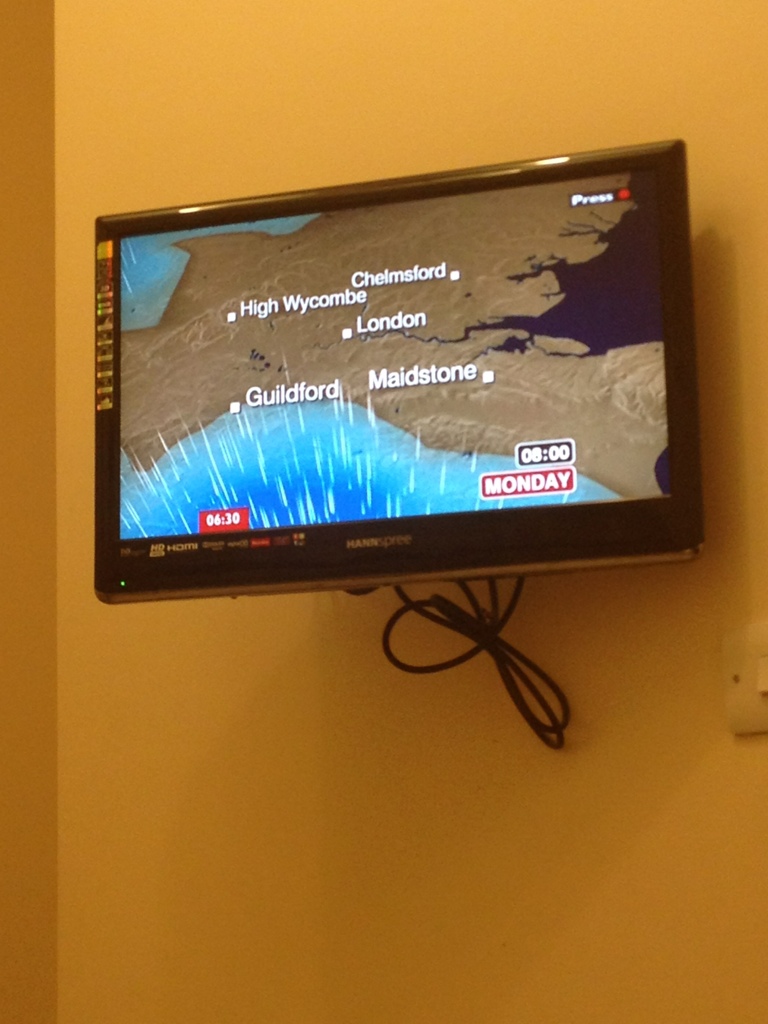


















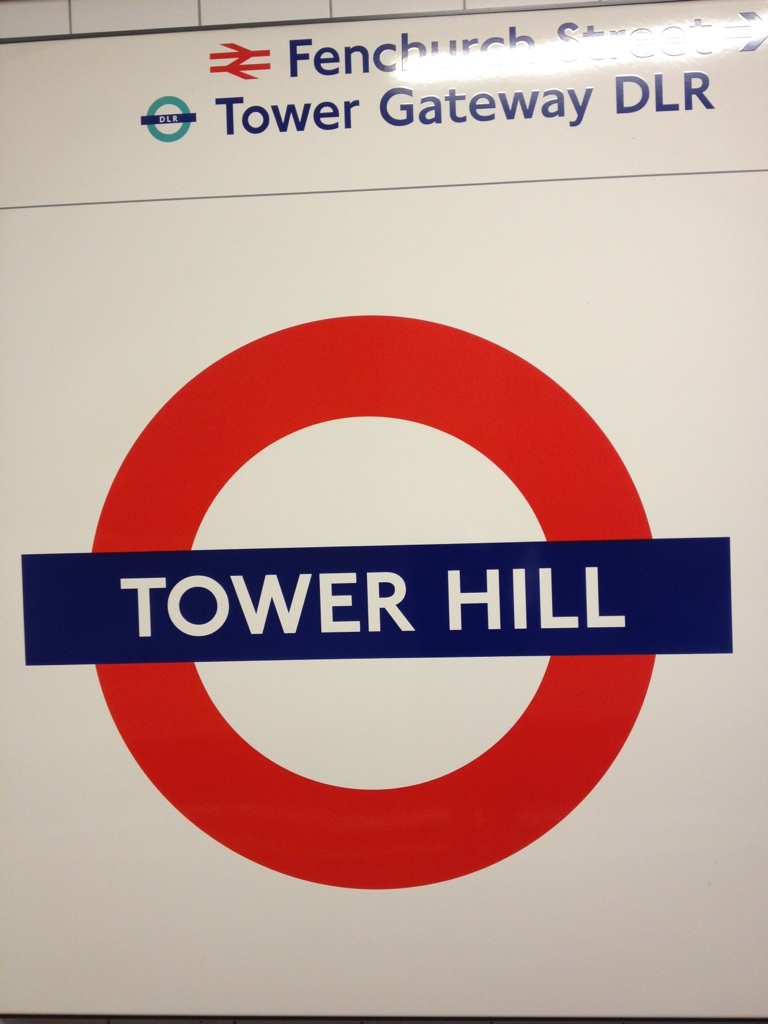








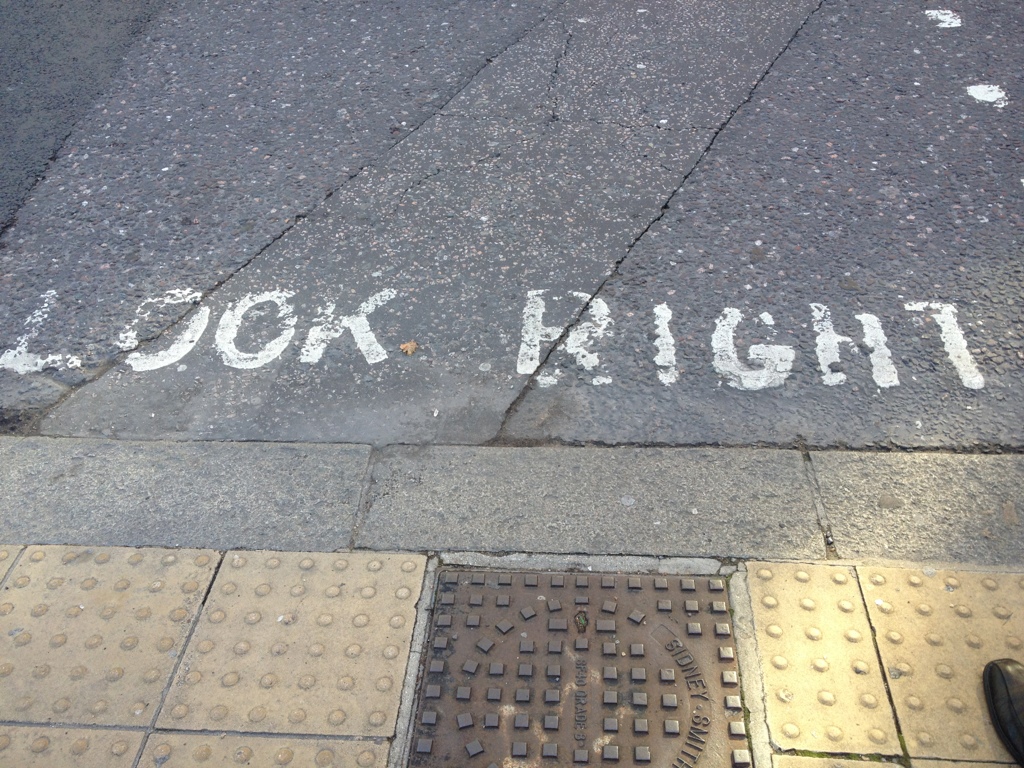
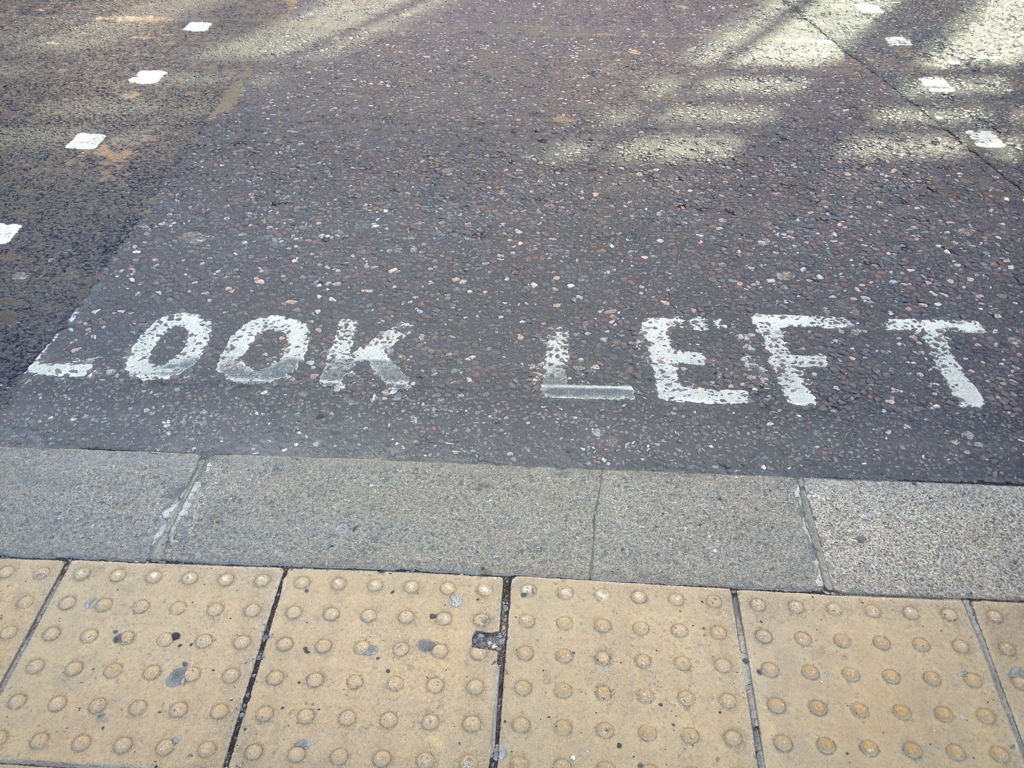
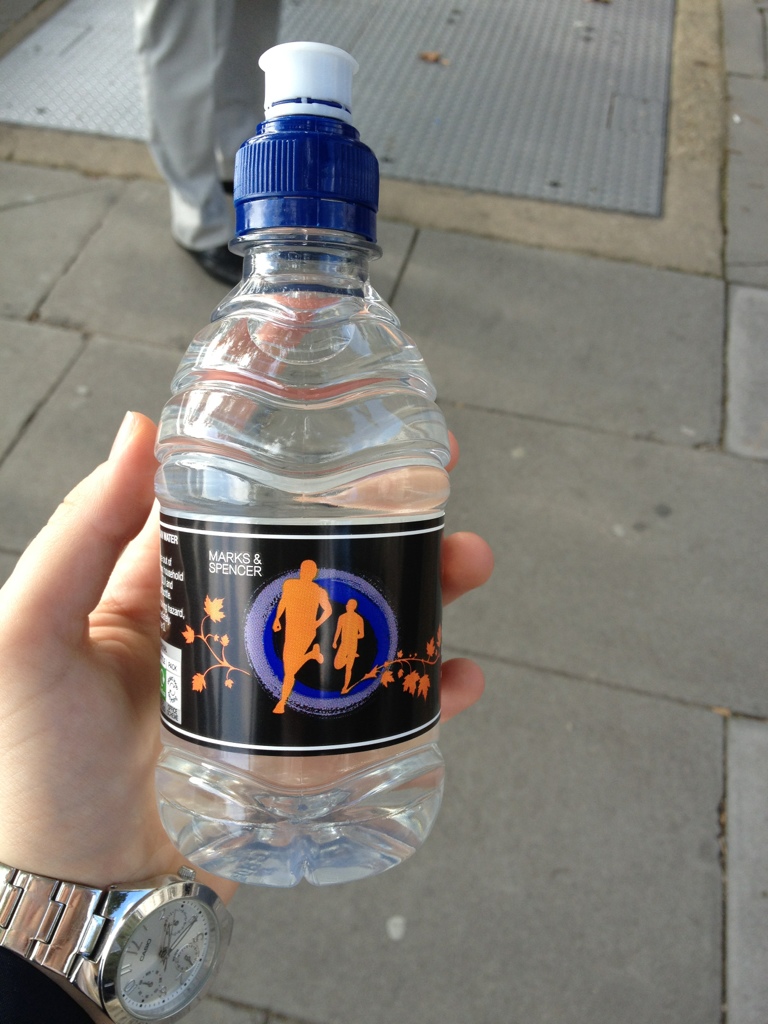
London: 3. Random pictures
…which will have suitable name tags as soon as I get hold of a computer. 🙂
For now…no comment. 🙂

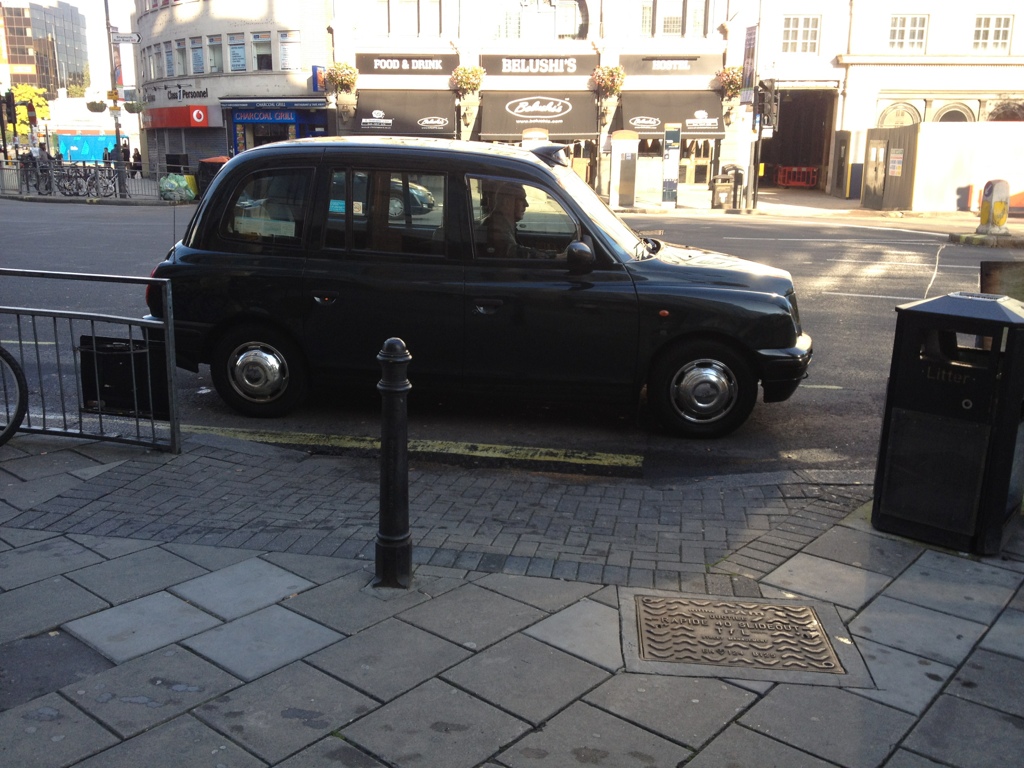
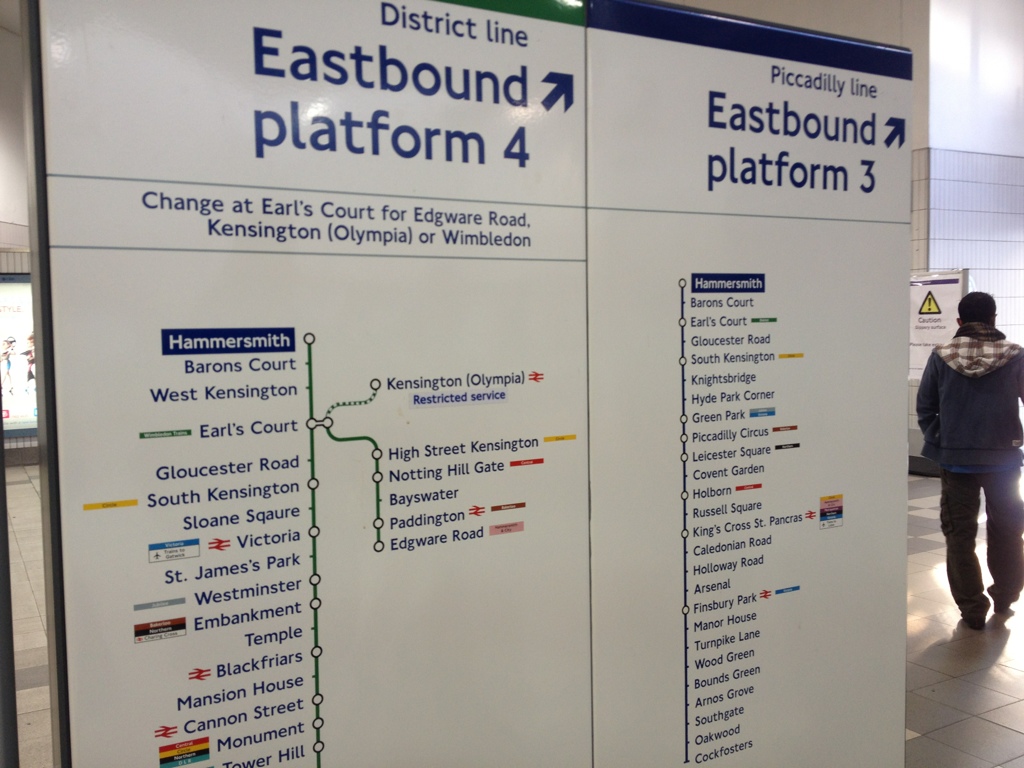


































London: 2. The accomodation
Squeaky floors didn’t give me the chance to rest well before my London-Adventure tour (it sounds a bit megalomanic 🙂 ). No English breakfast All in all: Bad choice for a hotel.
And I forgot about the plugs! 39% battery and I rush to send you some more photos.





London: 1. First impressions
20:23 – Landing at the Luton Airport. Nothing fancy. I do not feel anything in particular. It’s just a common, usual airport.
21:32 – Passing by my first target 221b Baker Str. Now this is almost surreal, having in mind that I began The Adventures of Sherlock Holmes two weeks ago, not knowing that I’ll be in London on such a short notice. What you can see is a bad attempt at a shot ‘by night’.
22:00 – Heading to the nearest supermarket. It’s late, I am jet-lagged and not up for going out to have a dinner.
23:00 – After plenty of time spent on reading maps and underground station names, here we are – just a 12 minutes walk from our hotel.
23:20 – Okay, it took us more than 20 minutes. :))
23:43 – I am fighting the WiFi connection and my wordpress app to give you a tiny but prompt information about London.
The city is simply marvellous with its picture-perfect suburbia houses and buildings. People are friendly and helpful; from every ethnicity and colour, mostly young, artistic and vital. At 23 in the evening the streets are full with youngsters, going to pubs, for a walk or just chatting cheerfully.
But what do I know?! It is late in the night and the sites worth seeing are scheduled for tomorrow.
BB***
Zoe





AWARDS









 Just English