
What’s the Difference Between In- and Un-?

English has two different prefixes that make a word into its opposite.
OK, yes, there are more than two (dis-, a-, anti-, de-, etc.), but in- and un- are the most common.
They bring the sense of “not” to an adjective, and they cause trouble because it is often not clear which one should be used for a particular word. Many pairs of in-/un- words are interchangeable.
For example:
“inalienable” and “unalienable” are both correct and mean the same thing (even the drafters of the Declaration of Independence went back and forth on that one), as do “inadvisable” and “unadvisable.”
Still, the two prefixes are not equivalent.
As a pretty flimsy general rule,
UN – goes with Germanic roots and
IN – goes with Latin roots,
as seen in these pairs: unfriendly, inamicable; unteachable; ineducable; unbelievable, incredible. Still, just because a word has a Latin root doesn’t mean it can’t go with un-: see unproductive, unfortunate, unreliable, undesirable, unconscious…and so on.
Un– is also usually found with adjectives formed from participles ending in -ed or -ing: undomesticated, undeveloped, undisciplined, unconcerning, uncomprehending.
On the other hand, if a word has a Germanic root, it pretty much does mean it can’t go with in-. If you do find such a word, it is probably an example of a completely different prefix in-, meaning in or towards (incoming, infield, indwell).
In- is much more restricted than un-.

Un– is freely productive; it can apply to new words (“this haircut is brand new and unselfied!”), while
in– remains frozen in the existing vocabulary, a Latin dinosaur bone.
Un– can even apply to words that already take in-, though when it does it often creates a different, less specific meaning.
For example:
while the word “indigestible” can be traced back to the meaning “not able to be digested” it carries extra layers of connotation –food that offends the senses or makes you feel bad, information that is too confusing to process– that “undigestible” doesn’t have. “Undigestible” is more straightforwardly “not able to be digested.”A poorly prepared lasagna is indigestible, but a rock is undigestible. Its meaning is composed of its two parts, while the meaning of “indigestible” comes from its long history of use.
But the search for these kinds of meaning difference can quickly turn messy and confusing. Once you start thinking about this too much, in- and un- words start to switch back and forth in your mind like
a duck/rabbit optical illusion.
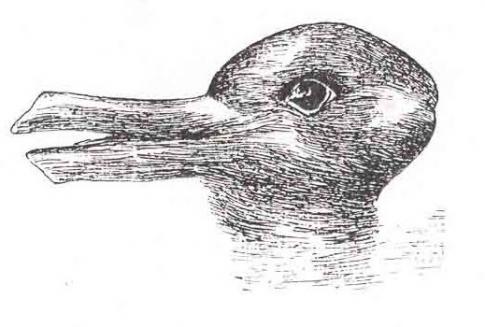
Shades of difference in meaning emerge only to dissolve under closer scrutiny.
Inaccessible, unaccessible?
Inconsolable, unconsolable?
Indescribable, undescribable?
Surely they mean different things. No, maybe not. Many of these kinds of pairs have been switching back and forth for centuries. (At the current time, the in- forms of these particular words are considered more acceptable.) Some of them have gotten stuck on one setting or the other, and some will continue to be indecisive, or, if you will, undecided.
SOURCE
5 Fun Ways to Say Boring
Ennui
[ahn-wee, ahn-wee]
 Not all boredom is created equal: some of it is fleeting and circumstantial, and some of it teeters on existential crisis. Ennui tends toward the latter–or at least it used to. Derived from the French verb enuier meaning “to annoy,” its peak usage was in Victorian and Romantic literature to express a profound sense of weariness, even a spiritual emptiness or alienation from one’s surroundings and time. Nowadays it’s used at both ends of the boredom spectrum, but its deep literary history lends even the most shallow disinterest a grandiose air.
Bromidic
[broh-mid-ik]
 Bromide is a chemical compound that was commonly used in sedatives in the 1800 and 1900s. It took on a figurative sense to mean a trite saying or verbal sedative, or a person who is platitudinous and boring, in the early 1900s with help of the U.S. humorist Frank Gelett Burgess, who published a book titled Are You a Bromide? in 1907. The next time a particularly bland work meeting lulls you into a near coma, remember to mentally log it as bromidic just before nodding off.
Prosaic
[proh-zey-ik]
 If your personal brand of boredom stems from a deficit of literal or figurative poetry in your life, this is the word for you. Now commonly used to mean dull, matter-of-fact, or unimaginative, prosaic entered the lexicon as the adjectival form of the word prose–as in not poetry. Its evolution to mean uninspired and commonplace in a broader context feels in many ways like a love letter to the oft-neglected literary genre.
Insipid
[in-sip-id]
 Much like bland and flavorless, insipid is commonly used to describe food that leaves your tastebuds wanting more, but it’s also used in an abstract sense to describe a person, place or thing that lacks distinction, depth or intrigue. Its versatility can be attributed to its root word, the Latin sapidus, which translates to well-tasted, wise, or prudent. The next time you find yourself surrounded by droning company and uninspired cuisine (perhaps on your next flight?) liven things up with this handy twofer.
Platitudinous
[plat-i-tood-n-uhs, –tyood-]
 Stemming from the French word for flat, plat (think plateau), platitudinous is used most frequently to refer to lackluster or trite use of language. A political speech brimming with tiresome rhetoric and cliches can be said to be platitudinous, but with this illuminating descriptor in your word arsenal, your bemoaning of the speech doesn’t have to be.
Source and images
50 Free Resources That Will Improve Your Writing Skills
Effective writing skills are to a writer what petrol is to a car. Like the petrol and car relationship, without solid skills writers cannot move ahead. These skills don’t come overnight, and they require patience and determination. You have to work smart and hard to acquire them. Only with experience, you can enter the realm of effective, always-in-demand writers.
Of course, effective writing requires a good command of the language in which you write or want to write. Once you have that command, you need to learn some tips and tricks so that you can have an edge over others in this hard-to-succeed world of writers. There are some gifted writers, granted. But gifted writers also need to polish their skills frequently in order to stay ahead of competition and earn their livelihood.
We collected over 50 useful and practical tools and resources that will help you to improve your writing skills. You will find copywriting blogs, dictionaries, references, teaching classes, articles, tools as well as related articles from other blogs. Something is missing? Please let us know in the comments to this post!
1. Grammar, Punctuation & Co.
Talk English by colors
WHITE
|
 |
|||||
| a white lie | a harmless lie/ a lie to spare someone’s feelings | |||||
| white noise | static noise | |||||
| white as a sheet | scared, sick, surprised | |||||
| white as a ghost | scared | |||||
| white-collar | related to “desk jobs” | |||||
| a white flag | surrender | |||||
| to whitewash something | to mask the negative parts | |||||
| white wine | wine from green or yellow grapes | |||||
| a white Christmas | snow on Christmas day | |||||
| a white wedding | a traditional western-style wedding where the bride wears a white gown | |||||
| a white person | a person of Caucasian race | |||||
| white-hot | extremely hot OR popular | |||||
| a white paper | an authoritative report on a issue | |||||
| a white elephant | a useless knick-knack OR an expensive, useless thing | |||||
| white as the driven snow | innocent (often used sarcastically about corruption) | |||||
| white with rage | extremely enraged | |||||
| to bleed someone white | to take everything someone has, esp. money | |||||
| showing the white feather | acting cowardly | |||||
| a white-knuckle ride | a dangerous, nerve-wracking, scary ride | |||||
| that’s mighty white of you (old-fashioned) | that’s good of you | |||||
| lily-white | unmistakably Caucasian OR blameless, goodly | |||||
| white horses (surfing) | patches of white foam made by breaking waves | |||||
| white trash (American) | (offensive) uneducated, socio-economically disadvantaged Caucasian people | |||||
| whiter than white (British) | righteous, innocent | |||||
BLACKa white pointer (Australian) |
 a topless female sunbather a topless female sunbather |
|||||
| to blackmail someone | to threaten to reveal secrets unless payment is made | |||||
| to black out | to lose consciousness | |||||
| a blackout | a loss of electricity in an area | |||||
| the blackout | during wartime, extinguishing or covering lights | |||||
| black magic / the black arts | magic used for malevolent purposes | |||||
| the pot calling the kettle black | someone criticizing someone else for a quality they themselves possess | |||||
| the black market | illegal/underground sales and purchases | |||||
| little black book | book of contacts, esp. past or potential dates | |||||
| a black sheep | the outcast or disgrace in a group | |||||
| black gold | oil / petrolium | |||||
| black tie | formal clothing e.g. a tuxedo | |||||
| black humor | jokes about death or illness | |||||
| a black day | a day when something bad happens | |||||
| to be in black and white | to be written down officially | |||||
| to be black and white (a situation) | to be clear | |||||
| in the black | profitable | |||||
| a black mood | a bad, grumpy mood | |||||
| a black eye | a bruised eye | |||||
| to blacklist someone | to prevent someone from being hired | |||||
| to blackball someone | to shut someone out from group participation | |||||
| black and blue | bruised | |||||
| a black look | an angry/disapproving facial expression | |||||
| as black as night | very dark black | |||||
| pitch black | very dark black | |||||
| a black person | a person of African heritage | |||||
| black ops | extralegal covert activity, done in the dark (military/politics) | |||||
| black-hearted | cruel, evil, mean | |||||
| a black mark | an indication of wrongdoing | |||||
| to blacken someone’s name | to suggest/indicate a person’s wrongdoing | |||||
| the Black Death | The Bubonic Plague | |||||
| a black rat (British) | a traffic police officer | |||||
| Black Friday (U.S.) | The day after American Thanksgiving when many stores have sales | |||||
| the black dog (Irish) | a bad mood | |||||
| beyond the black stump (Australian) | the back of nowhere, far from anything | |||||
RED
in the red |
 unprofitable OR negative financial balance, owing money unprofitable OR negative financial balance, owing money |
|||||
| a redhead | a person with orange-colored hair | |||||
| red light district | area with prostitutes | |||||
| to see red | to be furious | |||||
| red with rage | furious | |||||
| to turn/go red | become embarrassed | |||||
| a red herring | a false clue | |||||
| to paint the town red | to dine, dance, experience fun in a town or city | |||||
| a red flag | a signal that something is wrong | |||||
| roll out the red carpet | give a big welcome | |||||
| red tape | unnecessary/excessive bureaucracy | |||||
| not one red cent | no money at all | |||||
| a red letter day | a special day | |||||
| a scarlet woman | a sinful woman | |||||
| scarlet fever | an infection with group A streptococcus bacteria. | |||||
| red-hot | very hot OR very popular | |||||
| red card | a sanction for a soccer player | |||||
| red alert | a serious warning of danger | |||||
| a red-blooded male | a virile, manly male person | |||||
| like a red rag/flag to a bull | provoking/aggravating anger | |||||
| red (adjective) | communist | |||||
| bleed red ink (British) | debt | |||||
| red in tooth and claw (British) | the wild, violent aspect of the natural world | |||||
| redshirting (U.S.) | delaying an athlete’s participation in sports order to lengthen his/her period of eligibility | |||||
| a red state (U.S.) | a state whose residents are politically more Republican | |||||
| a redneck (U.S.) | an uneducated, rural white American | |||||
| a red-bone (U.S.) | a light-skinned black woman | |||||
| the red scare (U.S.) | (historical) the worry that society would be infiltrated by communists and communism | |||||
| the red eye (U.S.) | the overnight flight between west and east coast | |||||
GREENgreen with envy |
 very envious very envious |
|||||
| the green-eyed monster | jealousy | |||||
| to give the green light | to give approval to proceed | |||||
| to be green (in a position) | to be inexperienced, a rookie | |||||
| to be green (policy) | to be environmentally aware | |||||
| the green room | room in a theater or studio where guests/performers wait to go on | |||||
| to turn green | to be nauseous | |||||
| green around the gills | sick-looking | |||||
| a greenbelt | an area of nature around a city | |||||
| greens | vegetables | |||||
| a green | a golf course | |||||
| a greengrocer | a person/store that sells vegetables & fruit | |||||
| the grass is always greener on the other side | other people’s possessions/situations always seem better than your own | |||||
| greener pastures | a better situation | |||||
| to greenwash something | to deceptively make practices/policies seem more environmentally friendly | |||||
| little green men | stereotypical/humorous description of space aliens | |||||
| as sure as God made little green apples | very certain | |||||
| colorless green ideas sleep furiously | (Linguistics) Noam Chomsky’s oft-quoted example of a sentence with good grammar but no meaning | |||||
| to have green fingers (British) | to be good with plants/gardens | |||||
| to have a green thumb (U.S.) | to be good with plants/gardens | |||||
| a greenie (Australian) | an environmentally aware person | |||||
| a green card (U.S.) | legal residency status | |||||
| a greenhorn (U.S.) | an inexperienced or young person | |||||
| greenbacks (U.S.) | dollars | |||||
YELLOWyellow |
 cowardly cowardly |
|||||
| a yellow streak | cowardice | |||||
| yellow-bellied | cowardly | |||||
| yellow journalism | disreputable, sensationalistic journalism | |||||
| a yellow card | (soccer) to give someone a first warning | |||||
| the yellow peril | (offensive, archaic) the fear that Asian people will outnumber/displace Caucasian people | |||||
| yellow fever | an acute viral haemorrhagic disease | |||||
| yellow fever (Nigerian slang) | traffic police | |||||
| a yellow dog Democrat (U.S.) | a voter who always votes Democrat in every election | |||||
BLUEout of the blue |
 suddenly, unexpectedly suddenly, unexpectedly |
|||||
| a bolt from the blue | a sudden/unexpected thing | |||||
| to be blue | to be sad | |||||
| a blue funk | a feeling of melancholy | |||||
| the blues | sadness OR a 3 chord style of music | |||||
| once in a blue moon | infrequently | |||||
| blue-collar | related to manual labor or the working class | |||||
| a blue blood | an aristocratic person | |||||
| to talk a blue streak | to talk a lot | |||||
| to turn blue | to have difficulty breathing | |||||
| blue with cold | feeling very cold | |||||
| until you’re blue in the face | having lost your patience | |||||
| blue chip stock | stock of an established/financially sound company | |||||
| working blue | performing using foul language | |||||
| a blue movie | a pornographic film | |||||
| a blueprint (for something) | a design, a guide | |||||
| true blue | faithful | |||||
| blue on blue | in military: friendly fire | |||||
| into the wide/wild blue yonder | to an unknown/faraway place | |||||
| blue balls (lewd) | male sexual frustration due to unfulfilled sexual urges | |||||
| to turn the air blue | to swear a lot | |||||
| between the devil and the deep blue sea | a dilemma | |||||
| the boys in blue | the police | |||||
| the thin blue line | the police | |||||
| a blue state (U.S.) | a state whose residents are politically more Democrat | |||||
| a blue (British) | a Tory | |||||
| to scream blue murder (British) | to express yourself angrily | |||||
| a blue-eyed boy (British) | a male who can do no wrong, who is favored by authority | |||||
| having a blue (Australian) | having a fight | |||||
| make a blue (Australian) | make a mistake | |||||
BROWNa brown-noser |
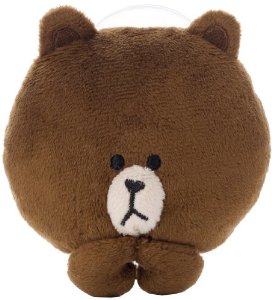 a sycophant a sycophant |
|||||
| in a brown study | being contemplative; daydreaming | |||||
| browned off (British) | annoyed | |||||
PURPLEpurple prose |
 flowery, romantic writing flowery, romantic writing |
|||||
| born in the purple | born into a high ranking/aristocratic family | |||||
| the Purple Heart (U.S.) | a U.S. military honor badge | |||||
| a purple patch (British) | a period of exceptionally high achievement | |||||
ORANGEagent orange |
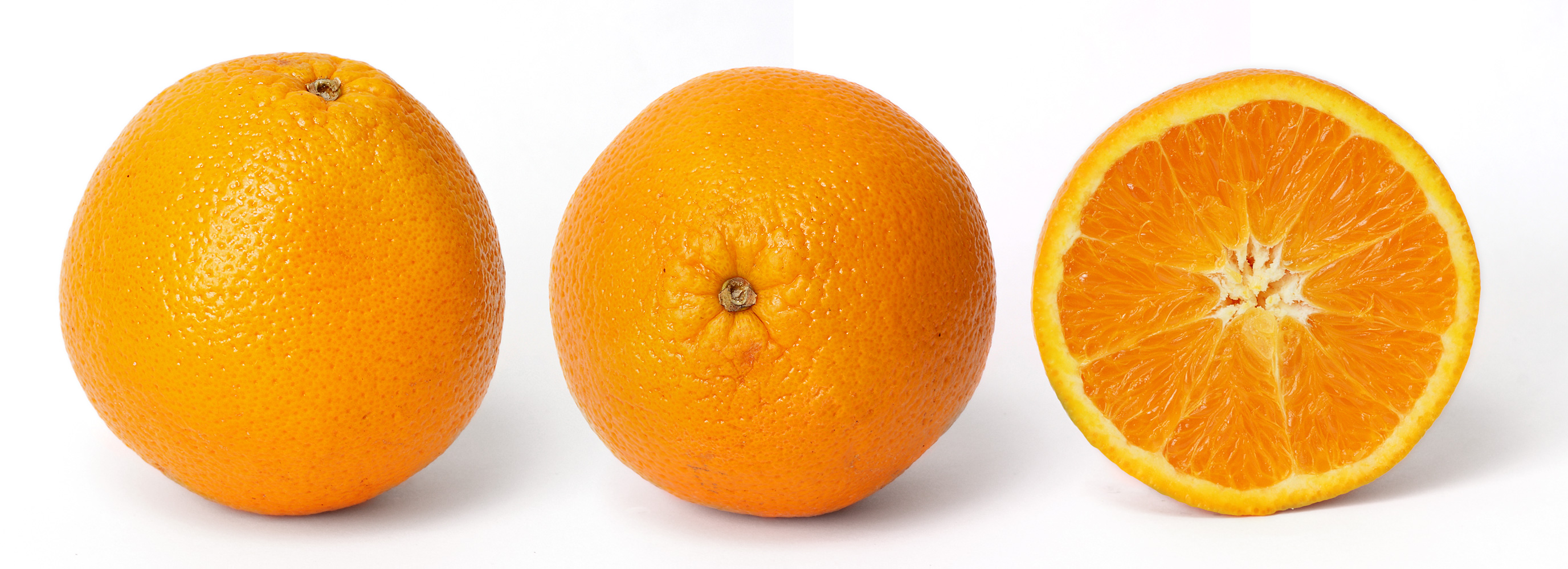 a defoliant used in herbicidal warfare a defoliant used in herbicidal warfare |
|||||
| Orangemen (Irish) | Protestant fraternal organization | |||||
PINKin the pink of health |
 very healthy very healthy |
|||||
| tickled pink | very pleased | |||||
| a pinko | a communist | |||||
| to see the world through rose-colored glasses | to see the world through an optimistic filter | |||||
| rosy | positive, optimistic, | |||||
| to get a pink slip | to be fired | |||||
| the pink pound (British) | consumer spending by gay people | |||||
GREYgrey area |
 unclear unclear |
|||||
| grey matter | the brain | |||||
| to give someone grey hairs | to try someone’s patience | |||||
| gray market | sale of products via nonstandard distribution channels or at an unofficial price | |||||
| grey nomads (Australian) | retirees who travel around the country | |||||
| the silver screen | the movies | |||||
GOLDENa golden boy |
 a well-regarded, successful man a well-regarded, successful man |
|||||
| a golden handshake | monetary incentive to join a company | |||||
| a golden parachute | money given to an executive leaving a company | |||||
| golden ears | great listening ability to discern quality or commerciality | |||||
| a golden shower (lewd) | urinating on a sexual partner | |||||
| a golden mean | the desirable middle (between extremes of excess and deficiency) | |||||
COLORoff-color |
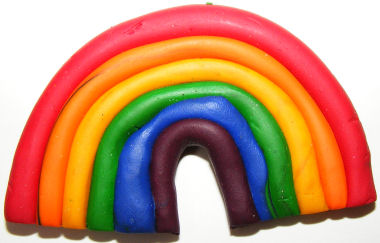 inappropriate, crude inappropriate, crude |
|||||
| to show your true colors | to reveal your true self or feelings | |||||
| a colorless person | a boring person | |||||
| colorful (e.g. tale, history, life) | event-filled and interesting | |||||
| colorful language | vivid or expletive-filled language | |||||
| to pass with flying colors | to do very well | |||||
| local color | having typical characteristics of the local area | |||||
| color commentary | facts & comments about athletes during a broadcast | |||||
| a horse of a different color | a completely different thing/idea | |||||
| a country’s colors | the colors of a national flag |
SOURCE
The History of the “Dude”
Charting the evolution of a gender-hopping, meaning-changing, spelling-flexible word
People fear, loathe, and ignore change.

Contronyms: What did you mean by deceptively smart?
A synonym is a word that means the same as another.
Necessary and required are synonyms.

An antonym is a word that means the opposite of another.
Wet and dry are antonyms.
While synonyms and antonyms are not in themselves interesting, the complexities and irregularities of the English language sometimes make synonyms and antonyms interesting to explore. Many complexities result from words having multiple definitions.
A trivial example is a word with synonyms that aren’t synonyms of each other, the word beam, for example, having the synonyms bar and shine.
Similarly, some words have antonyms that are neither synonyms nor antonyms of each other but completely unrelated: the word right, for example, having the antonyms wrong and left.
A more interesting paradox occurs with the word groom, which does not really have an antonym in the strictest sense but has an opposite of sorts in the word bride, which can be used as a prefix to create a synonym, bridegroom.

The word contronym (also antagonym) is used to refer to words that, by some freak of language evolution, are their own antonyms. Read More…
Avoid Gender-Based Language Traps

3. Avoid “Dear Sir” or “Dear Sirs” as a greeting. It excludes the possibility of a woman as your reader. Instead, whenever possible, learn the reader’s name and use it. If you cannot discover your reader’s name, use a generic term such as “Dear Hiring Manager” or “Dear Credit Representative,” or use “Dear Sir or Madam.”
SOURCE
Image source
168 Color terms in English

Compiled by Stephen Chrisomalis
This list contains 168 definitions of obscure colour terms using combinations of ‘normal‘ colours of the rainbow and descriptive adjectives; e.g. cardinal = deep scarlet red; russet = reddish brown. Note that most English speakers outside the U.S. spell colour with the added British ‘u’ rather than the American version color. Don’t worry if the colours (or colors) in your universe don’t match up with the definitions I’ve given for these words, though – I’ve been known to have skewed perceptions of reality … Read More…
50 Words That Sound Rude But Actually Aren’t
To paraphrase Krusty the Clown, comedy isn’t dirty words—it’s words that sound dirty, like mukluk. He’s right, of course. Some words really do sound like they mean something quite different from their otherwise entirely innocent definition (a mukluk is an Inuit sealskin boot, in case you were wondering), and no matter how clean-minded you might be, it’s hard not to raise an eyebrow or a wry smile whenever someone says something like cockchafer or sexangle. Here are 50 words that might sound rude, but really aren’t. Honest.
1. AHOLEHOLE
If you read that as “a-hole,” then think again. Aholehole is pronounced “ah-holy-holy,” and is the name of a species of Hawaiian flagtail fish native to the central Pacific.
2. AKTASHITE
Aktashite is a rare mineral used commercially as an ore of arsenic, copper, and mercury. It takes its name from the village of Aktash in eastern Russia, where it was first discovered in 1968. The final –ite , incidentally, is the same mineralogical suffix as in words like graphite and kryptonite.
3. ASSAPANICK
While exploring the coast of Virginia in 1606, Captain John Smith (of Pocahontas fame) wrote in his journal of a creature known to local tribes as the assapanick . By “spreading their legs, and so stretching the largeness of their skins,” he wrote, “they have been seen to fly 30 or 40 yards.” Assapanick is another name for the flying squirrel.
4. ASSART
Assart is an old medieval English legal term for an area of forested land that has been converted into arable land for growing crops. It can also be used as a verb meaning “to deforest,” preparing wooded land for farming.
5. BASTINADO
Derived from bastón, the Spanish word for a cane or walking stick, bastinado is an old 16th century word for a thrashing or caning, especially on the soles of the feet.
6. BOOBYALLA
As well as being the name of a former shipping port in northern Tasmania, boobyalla is also an Aborigine name for the wattlebird, one of a family of honeyeaters native to much of Australia.
7. BUM-BAILIFF
In his Dictionary of the English Language (1755), Samuel Johnson described a bum-bailiff as “a bailiff of the meanest kind,” and in particular, “one that is employed in arrests.”
8. BUMFIDDLER
To bumfiddle means to pollute or spoil something, in particular by scribbling or drawing on a document to make it invalid. A bumfiddler is someone who does precisely that.
9. BUMMALO
Like the aholehole, the bummalo is another tropical fish, in this case a southeast Asian lizardfish. When listed on Indian menus it goes by the slightly more appetizing name of “Bombay duck.”
10. CLATTERFART
According to a Tudor dictionary published in 1552, a clatterfart is someone who “wyl disclose anye light secreate”—in other words, it’s a gossip or blabbermouth.

11. COCKAPERT
Cockapert is an Elizabethan name for “a saucy fellow” according to the Oxford English Dictionary, but it can also be used as an adjective meaning “impudent” or “smart-alecky.”
12. COCK-BELL
A cock-bell can be a small handbell, a type of wildflower that grows in the spring, and an old English dialect word for an icicle. In any case, it’s derived from coque, the French word for a seashell.
13. COCKCHAFER
The cockchafer is a large beetle native to Europe and western Asia. The origin of its name is a mystery, but one theory claims the beetles are so characteristically aggressive that they can be made to fight one another like cockerels.
14. DIK-DIK
Standing little more than a foot tall at the shoulder, the dik-dik is one of the smallest antelopes in all of Africa. Their name is apparently an imitation of their alarm call.
15. DREAMHOLE
A dreamhole is a small slit or opening made in the wall of a building to let in sunlight or fresh air. It was also once used to refer to holes in watchtowers used by lookouts and guards, or to openings left in the walls of church towers to amplify the sounds of the bells.
16. FANNY-BLOWER
According to one 19th century glossary of industrial slang, a fanny-blower or fanner was “used in the scissor-grinding industry,” and comprised “a wheel with vanes, fixed onto a rotating shaft, enclosed in a case or chamber to create a blast of air.” In other words, it’s a fan.
17. FARTLEK
Fartlek is a form of athletic training in which intervals of intensive and much less strenuous exercise are alternated in one long continuous workout. It literally means “speed-play” in Swedish.
18. FUKSHEET
Fuk was an old Middle English word for a sail, and in particular the foremost sail on a ship. A fukmast, ultimately, is a ship’s foremast, while the fuksheet or fuksail is the sail attached to the ship’s fukmast.

19. GULLGROPER
To grope a gull is an old Tudor English expression meaning “to take advantage of someone,” or “to swindle an unsuspecting victim”—and a gullgroper does just that.
20. HABOOB
Taking its name from an Arabic word meaning “blustering” or “blowing,” a haboob is a dry wind that blows across deserts, dustbowls, and other arid regions often at great speed, forming vast sandstorms as it goes. Haboobs are typically caused by the collapse of a cold front of air, which blasts dust and sediment up from the desert floor as it falls.
21. HUMPENSCRUMP
The Oxford English Dictionary calls a humpenscrump “a musical instrument of rude construction.” Alongside others like humstrum, celestinette and wind-broach, it was originally another name for the hurdy-gurdy.
22. INVAGINATION
Invagination is simply the process of putting something inside something else (and in particular, a sword into a scabbard), or else is the proper name for turning something inside out. The opposite is called evagination.
23. JACULATE
Jaculation is the act of throwing or jostling something around, while to jaculate means “to rush or jolt forward suddenly.”
24. JERKINHEAD
A jerkinhead is a roof that is only partly gabled (i.e., only forms part of a triangle beneath its eaves) and is instead levelled or squared off at the top, forming a flattened area known as a “hip.” Jerkinheads are also known as “half-hipped” or “clipped-gable” roofs.
25. KNOBSTICK
As well as being an old nickname for a walking stick or truncheon, knobstick is an old 19th century slang word for a workman who breaks a strike, or for a person hired to take the place of a striking employee.

26. KUMBANG
Like the haboob, the kumbang is another hot, arid wind, in this case one that blows seasonally in the lowlands of western Indonesia.
27. LOBCOCKED
Lobcock is an old Tudor English word for an idiot or an unsophisticated, clownish bumpkin. Lobcocked is an equally ancient adjective meaning “boorish” or “naïve.”
28. NESTLE-COCK
A nestle-cock is the last bird to hatch from a clutch of eggs. It dates from the early 1600s, when it was also used as a nickname for an overly spoilt or pampered child.
29. NICKER-PECKER
Nicker-pecker is an old English dialect name for the European green woodpecker, the largest woodpecker native to Great Britain. In this context nicker is probably a derivative of nick, meaning a small cut or scratch.
30. NOBBER
In early 19th century English, boxers were nicknamed nobbers, a name apparently derived from the earlier use of nobber as a slang name for a punch or blow to the head.
31. NODGECOCK
Nodgecock, like lobcock, is another Tudor word for a fool or simpleton. It likely derives from an even earlier word, noddypoll, for someone who senselessly nods their head in agreement with any idea, no matter how good or bad it might be.
32. PAKAPOO
Pakapoo is a 19th century Australian word for a lottery or raffle. It apparently derives from a Cantonese phrase, baahk gáap piu, literally meaning “white pigeon ticket”—the Oxford English Dictionary suggests that in the original form of the game, a white dove might have been trained to select the winning ticket from all of the entries.
33. PENIAPHOBIA
Definitely not what it sounds like, peniaphobia is actually the fear of poverty.
34. PENISTONE
Penistone (pronounced “pen-is-tun”, before you ask) is the name of a picturesque market town in Yorkshire, England, which has given its name to both a type of coarse woollen fabric and a type of locally produced sandstone.
35. PERSHITTIE
The Scots word pershittie means “prim,” or “overly meticulous.” It’s one of a family of late 18th–early 19th century Scots words all of similar meaning, including perjinkity, perskeety, and, most familiar of all, pernickety.
36. PISSALADIÈRE
Pissalat is a condiment popular in southern French cookery made from puréed anchovies and olive oil, mixed with garlic, pepper, and herbs. It’s used to make a type of open bread tart called a pissaladière, which is flavoured with onions and black olives.

37. PISSASPHALT
Pissasphalt is a thick semi-liquid form of bitumen, similar to tar. The first part of the name is the Greek word for pitch, pissa.
38. POONGA
Poonga oil is obtained from the seeds of the Indian beech tree, Pongamia pinnata, and is widely used across southern India as everything from a skin treatment to a replacement for diesel in engines and generators.
39. SACK-BUTT
Spelled with one T, a sackbut is an early Renaissance brass instrument similar to a trombone. Spelled with two Ts, a sack-butt is a wine barrel.
40. SEXAGESM
The adjective sexagesimal means “relating to the number 60,” while anything that proceeds sexagesimally does so in sets of 60 at a time. A sexagesm, ultimately, is one-sixtieth of something.
41. SEXANGLE
Both sexangle and the equally indelicate sexagon are simply old 17th century names for what is otherwise known as a hexagon, a plane geometric shape with six sides. The prefix sexa– is derived from the Latin word for “six” rather than its Greek equivalent, heks.
42. SEXFOILED
Dating back to the Middle English period, foil is an old-fashioned name for a leaf or petal, which is retained in the names of plants like the bird’s-foot trefoil, a type of clover, and the creeping cinquefoil, a low-growing weed of the rose family. A sexfoil is ultimately a six-leaved plant or flower, or a similarly-shaped architectural design or ornament incorporating six leaves or lobes.
43. SHITTAH
The shittah is a type of acacia tree native to Arabia and north-east Africa that is mentioned in the Old Testament Book of Isaiah as one of the trees that God “will plant in the wilderness” of Israel, alongside the cedar, pine, and myrtle. Its name was adopted into English from Hebrew in the early Middle Ages, but it can probably be traced all the way back to an Ancient Egyptian word for a thorn-tree.

44. SKIDDY-COCK
Billcock , brook-ouzel, oar-cock, velvet runner, grey-skit, and skiddy-cock are all old English dialect names for the water rail, a small and notoriously elusive wading bird found in the wetlands of Europe, Asia, and north Africa. The name skiddy-cock is thought to be derived from skit, an old 17th century word meaning “to act shyly,” or “to move rapidly and quickly”—but it could just as probably be derived from an even older 15th century word, skitter, meaning “to produce watery excrement.”
45. SLAGGER
In 19th century English, a slagger was a workman in a blast furnace whose job it was to siphon off the stony waste material, or slag, that is produced when raw metals and ores are melted at high temperatures. Even earlier than that, in 16th century English, slagger was a verb, variously used to mean “to loiter” or “creep,” or “to stumble” or “walk awkwardly.”
46. TEASE-HOLE
Staying with furnaces, a tease-hole is simply the opening in a glassmaker’s furnace through which the fuel is added.
47. TETHERADICK
Sheep farmers in some rural parts of Britain once had their own traditional counting systems, many of which are particularly ancient and predate even the Norman and Anglo-Saxon invasions of England. Most of these counting systems vanished during the Industrial Revolution, but several remain in use locally and have become fossilised in local rhymes, sayings and folk songs. Tether was an old Lake District name for the number three, while dick was the number ten; tetheradick, ultimately, was a count of 13.
48. TIT-BORE
Tit-bore—or tit-bore-tat-bore, in full—is an old 17th century Scots name for a game of peekaboo. It was once also called hitty-titty, as was, incidentally, hide and go seek.
49. TIT-TYRANT
The tit-tyrants are a family of eight species of flycatcher native to the Andes Mountains and the westernmost rainforests of South America. One of the species, the ash-breasted tit-tyrant, is one of the world’s most endangered birds with fewer than 1000 individuals left in a handful of remote, high-altitude sites in Peru and Bolivia.
50. WANKAPIN
Wankapin, or water chinquapin, is another name for the American lotus, Nelumbo lutea, a flowering plant native to Central American wetlands. The lotus was apparently introduced to what is now the southern United States by native tribes who would use the plant’s tubers and seeds (known as “alligator corn”) as a source of food.


AWARDS








 Just English