




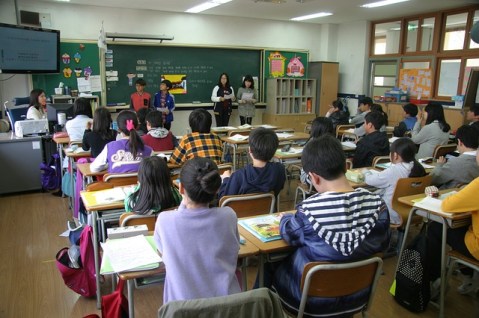








Being unemployed can be stressful, frustrating and depressing, especially in an economy where jobs are scarce, competition is fierce, and there doesn’t seem to be much change on the horizon…
While things may seem bleak, it’s important to keep your chin up and your motivation high if you’re going to make your way back into the working world or move from college into your first job. There is no arguing that unemployment stinks, but it can be an opportunity as well, a chance to reevaluate who you are, what you want in your career, learn more about and hone your abilities. These books will help you look at the silver lining of unemployment,and suggest that you spend your time away from work learning, growing and ultimately becoming a better employee.
Inspiration
 designrfix.com

Don’t sit around the house moping if you’re unemployed. Read these books to get inspired and reignite your drive to find work, start a business or be the successful person you know you can be.
- The Unemployed Millionaire: Escape the Rat Race, Fire Your Boss and Live Life on YOUR Terms! by Matt Morris: Once homeless and heavily in debt, Matt Morris knows what it’s like to be down and out. In this book, he shares how he turned his life around, created a new career and made millions, offering steps that could help inspire you to start your own business or break out of your unemployment slump.
- The 7 Habits of Highly Effective People by Stephen R. Covey: This classic book will show you some simple, but powerful, ways to be a better leader and employee and change how you see yourself and your life.
- The 4-Hour Workweek by Timothy Ferriss: Why work harder when you can work smarter? In this book, you’ll learn some tricks that will let you work less and live more when you start your own business.
- Rework by Jason Fried and David Heinemeier Hansson: If you’ve been throwing around the idea of starting your own business, this book is a must-read. It offers inspirational advice on everything from dealing with customers to effective time management.
- Power of Positive Thinking by Dr. Norman Vincent Peale: A motivational classic written by Boston-native Dr. Norman Peale, this book can help you to stop focusing on the negative in life and start seeing what good things you have going on. The attitude shift could be just the change you need to get your life back on track.
- As a Man Thinketh by James Allen: You’re only as successful as you allow yourself to think you’ll be, or that’s the lesson this book aims to teach. While it doesn’t promise success simply as a result of thought a la The Secret, it does show how changing your way of thinking can change your level of happiness, outlook on life and belief in yourself– all stepping stones to success in any facet of life.
- Who Moved My Cheese? by Spencer Johnson: Change is a fact of life, but so many of us have a hard time coping with it when it happens to us. You may no longer have your job, but this book will show you some powerful lessons that will help you deal with change, create new goals and find your new inner “cheese.” Johnson received his psychology bachelor from the University of Southern California and his M.D. degree from the Royal College of Surgeons.
- Awaken the Giant Within: How to Take Immediate Control of Your Mental, Emotional, Physical and Financial Destiny by Anthony Robbins: Whether you buy into the lessons espoused by motivational and self-help speakers or not, this book can help you to break out of an unemployment funk. How? By reminding you that no one can get you a new job, career or business but you.
- Your Best Year Yet!: Ten Questions for Making the Next Twelve Months Your Most Successful Ever by Jinny S. Ditzler: Parts of your year might have sucked pretty bad, but this book offers some hope that things can be better. Learn how to set goals, determine your core values and focus your energy where it matters most.
- What Should I Do With My Life? The Story of People Who Answered the Ultimate Question by Po Bronson: You might be sitting there right now wondering what you should do with your life. There are no easy or right answers, but this book shares some touching stories of others who were searching for and sometimes finding their true callings– an amazing source of inspiration for anyone feeling lost.
Just for the Unemployed
 express.co.uk

Learn more about dealing with unemployment and commiserate with others who’ve lost their jobs.
- The Adventures of Unemployed Man by Erich Origen, Gan Golan, Ramona Fradon and Rick Veitch: Taking a humorous look at unemployment, this graphic novel follows the hero Unemployed Man and his sidekick Plan B as they battle the villainous The Just Us League.
- iJobless: 50 Ways to Survive Unemployment by Jenny Holmes: Offering tips on lowering your monthly expenses, making money and staying motivated, this book aims to help you be, oddly enough, successful at being unemployed.
- $100K to Nothing: My Journey From a Six Figure Income to the Unemployment Line in the Worst Economy of Our Time by Dan Holt: A story that is all too common these days, Dan Holt lost his job in 2009 and has struggled to find a new one. In this book, he documents his experiences and shares advice that can help others in the same situation get back to work.
- Unemployment: The Shocking Truth of Its Causes, Its Outrageous Consequences And What Can Be Done About It by Jack Stone and Joe McCraw: Taking on the negatives of capitalism head on, this highly political read may not be for everyone, but for the unemployed it can help put a face on the many forces that helped contribute to job loss.
- Little Victories: Conquering Unemployment by Tom Brophy: Learn how to battle the depression and frustration that can come with unemployment – and celebrate the little victories that happen along the way – as you work your way back into a job with help from Department of Labor veteran Tim Brophy.
- The Unemployment Survival Guide by Jim Stringham and David Workman: While you might not feel that you’re going to get through being unemployed, you will, and this book will show you how, offering tips and tools to help you grow and learn while unemployed.
- Gainfully Unemployed: 17 Ways to Maintain Your Sanity While Looking for Work by Jonathan Wade: If you’re pulling out your hair, staying up all night and generally stressing out about unemployment, you’re not doing yourself any favors. Read this book to learn how to stay sane and keep busy while out of work.
- Landing on the Right Side of Your Ass: A Survival Guide for the Recently Unemployed by Michael B. Laskoff: You might be out on your ass from your last job, but this book shows you that it doesn’t always have to be a bad thing. A veteran of downsizing, Laskoff (New York) shares the steps of grieving for a lost jobs and the process necessary to move on.
- Rebound: A Proven Plan for Starting Over After Job Loss by Martha I. Finney: Just like getting dumped, getting laid off can be an emotional and trying experience. In this book, you’ll find advice on protecting yourself, moving forward and finding a sexy new job to rebound with.
- Unemployment Boot Camp: Tactics for Surviving and Thriving in the 21st Century by R. A. Long: Need some help kicking your unemployed butt into gear? Based on military-style thinking, this book will help you develop your own battle plans to survive and thrive during unemployment.
- The Healthcare Survival Guide, Cost-Saving Options for The Suddenly Unemployed and Anyone Else Who Wants to Save Money by Martin B. Rosen and M.D. Abbie Leibowitz: One of the biggest worries for many who have lost their jobs is how to keep up with health insurance without going broke. This book offers some great advice and information that can make that less of a worry, so you can concentrate on finding a job.
Motivation
 hdpaperwall.com

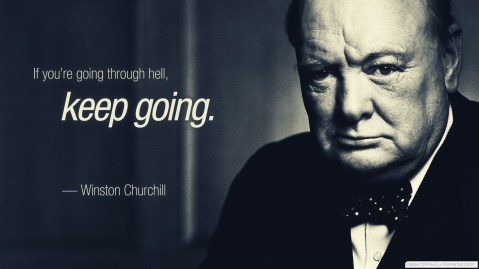
Keeping your motivation levels high is key when looking for work, so give these books a read for a dose of inspiration that will help you push yourself on to bigger and better things.
- The Magic of Thinking Big by David J. Schwartz: This book teaches that a positive and optimistic mindset can go a long way, even when things seem at their worst. Learn how to turn your unemployment into an advantage and get motivated to meet your goals through this popular self-help read.
- 100 Ways to Motivate Yourself: Change Your Life Forever by Steve Chandler: Those in dire need of motivation should check out this book for advice on creating your own action plan and changing self-limiting behaviors that may be holding you back.
- Jobless: How to Quit Your Day Job and Start Your Climb to the Top by Alan De Keyrel: You’ve already got the lack of a day job part done, so now you can start working on climbing to the top with the help of this inspirational book.
- Failing Forward: Turning Mistakes into Stepping Stones for Success by John Maxwell: You might think losing your job was a failure, but as this book will teach you it may simply give you the motivation and experience you need for future success.
- The Path: Creating Your Mission Statement for Work and for Life by Laurie Beth Jones: Do you know what you want out of life? Out of work? In this book, you’ll learn how to figure out your life path and what the power of setting goals can offer to you in your professional life.
- Maximum Achievement: Strategies and Skills That Will Unlock Your Hidden Powers to Succeed by Brian Tracy: If you’re unemployed, you’re probably not feeling that you’re really living up to your true potential. Yet this book offers up some ways that you can get back into the game and start using all those skills, even some you didn’t know you had, to find success in life and business.
- Strengths Finder 2.0 by Tom Rath: Unemployment can make you feel weak and helpless, but if you want to get back into work, you’ve got to know your strengths. Use this book to figure out where your true gifts lie– you might just be surprised.
- Motion Before Motivation: The Success Secret That Never Fails by Michael J. Dolphies: The lesson of this book? All the planning, talking and thinking about doing things is great, but the only thing that really matters is what you do.
- Infinite Possibilities: The Art of Living Your Dreams by Mike Dooley: This book asks readers to look inside themselves to find inspiration and spiritual guidance that can bring greater happiness and help you to more adeptly work towards meeting your goals in life, which in the short term might just mean finding a job.
Networking and Business
 marcom-connect.com

These books offer help and assistance with finding success in business and meeting people who may be able to help you find work.
- How to Win Friends and Influence People by Dale Carnegie: Whether you’re the CEO of a company or an unemployed person, this book is an essential read for anyone in the business world. First published in 1937, the book offers some fundamentals for understanding human nature that can make you more likeable – and ultimately more hirable.
- The Greatest Salesman in the World by Og Mandino: Getting a job is really a matter of knowing how to sell yourself. In this book, you’ll get classic sales tips that may just help you finally find a new job.
- Self-Promotion for Introverts: The Quiet Guide to Getting Ahead by Nancy Ancowitz: If you’ve always been the shy and retiring type, finding work can be doubly stressful. Luckily, there are books like this one that will teach even the shiest job seeker how to market themselves.
- Louder Than Words: Take Your Career from Average to Exceptional with the Hidden Power of Nonverbal Intelligence by Joe Navarro: Want to know if you’re doing well in an interview or not? You could learn volumes by learning to better read body language, a skill this book will help you to hone.
- Dig Your Well Before You’re Thirsty: The Only Networking Book You’ll Ever Need by Harvey Mackay: While you might be pretty thirsty for work right now, this book still has some amazing networking tips to offer that can help anyone, even those already in desperate need of a job, make connections that can lead to employment, contract work and more.
- Think Better: An Innovator’s Guide to Productive Thinking by Tim Hurson: Tim Hurston shares some insights into what it takes to be a leading entrepreneur in this book, a great read for anyone considering starting their own business.
- Never Eat Alone: And Other Secrets to Success, One Relationship at a Time by Keith Ferrazzi: This book will help you learn some networking skills that could just land you a new job – or at least a few interviews.
- Influence: The Psychology of Persuasion by Robert Cialdini: If you want to get others to do as you wish, like hire you, you have to be a master of persuasion. Learn more about how persuasion works and how you can use that to your advantage in this book.
- Work Less, Live More by Bob Clyatt: Bob Clyatt worked hard and retired at the age of 42. Then, he lost much of his savings when the stock market tanked. In this book, he shares how he’s taken on part-time work– something the unemployed may want to consider as an option as well to help make ends meet.
- Personal Development for Smart People by Steve Pavlina: Personal development guru Steve Pavlina’s book will help you learn to create goals, take charge of your life, get motivated and work hard to get where you want in life.
Job Hunting
 Job hunting is rarely an entertaining activity, but it can be a lot more stressful when you’re unemployed. These books will show you how to take charge, impress employers and get back to work faster.
- What Color is Your Parachute? 2011: A Practical Manual for Job-hunters and Career-Changers by Richard N. Bolles: Perhaps one of the most popular job hunting books of all time, here you’ll find powerful advice on every aspect of the job hunt, from the best way to find job openings to building a better resume.
- Zen and the Art of Making a Living: A Practical Guide to Creative Career Design by Laurence G. Boldt: Use this book to figure out what you want to do and how to actively take steps to make those career goals a reality.
- The Job-Hunter’s Survival Guide: How to Find Hope and Rewarding Work, Even When ‘There Are No Jobs by Richard Bolles: Another great read from Richard Bolles, this book serves up some advice for job hunters who are desperately in need of some guidance when it comes to finding work.
- Work at Home Now: The No-Nonsense Guide to Finding Your Perfect Home-Based Job by Christine Durst and Michael Haaren: Many people these days telecommute to work, and it may be possible for you to find a job like this as well. Learn more about home-based jobs and the best places to look for them in this helpful book.
- Powerful Unemployment: Practical and innovative ideas for staying motivated and having fun while looking for a new job by Sheila Boddy: This book contains a step-by-step guide that will take readers through the often scary waters of unemployment and give them the confidence and knowledge to find the opportunities they’ve been waiting for.
- Guerrilla Marketing for Job Hunters 3.0: How to Stand Out from the Crowd and Tap Into the Hidden Job Market using Social Media and 999 other Tactics Today by Jay Conrad Levinson and David E. Perry: The market is packed with job hunters, many of them just as qualified as you are. So how can you stand out? This book offers some tips and tools that can help separate you from the herd.
- How to Say It on Your Resume: A Top Recruiting Director’s Guide to Writing the Perfect Resume for Every Job by Brad Karsh: When was the last time your revised your resume? It might just need an update, and this book can help make sure that your new and improved version will be best it can be.
- Acing the Interview: How to Ask and Answer the Questions That Will Get You the Job by Tony Beshara: Interviews are nerve-wracking, whether it’s your first time or your hundredth going through the process. In this book, help yourself to prepare for success in any interviewing situation.
- Get The Job You Want, Even When No One’s Hiring: Take Charge of Your Career, Find a Job You Love, and Earn What You Deserve by Ford R. Myers: Finding a job during an economic crisis is, well, scary. This book will show you the different rules for looking for work in an economic downturn and what you need to do to develop your career while you wait for work.
- The Unwritten Rules of the Highly Effective Job Search: The Proven Program Used by the World’s Leading Career Services Company by Orville Pierson: Make your job search a smarter one by using these helping tools that some of the top career services agencies employ.
Read more:

 There are many different kinds of laughter. There’s the kind that leaves us clutching our bellies and gasping for air, and there’s kind that barely escapes our lips in restrained titters. The chortle, defined as “a gleeful chuckle,” falls somewhere in the middle. This term was coined by the beloved and whimsical wordsmith Lewis Carroll in his 1871 novel, Through the Looking-Glass, as a blend, or portmanteau, of the words chuckle and snort.
 A guffaw is a loud, unrestrained burst of laughter; as a verb, it means “to laugh in a loud and boisterous manner.” The word is of Scottish origin and is thought to be imitative of the sound of such laughter. This word entered English in the early 1700s, around the same time as the similar but short-lived gawf, which means “to laugh loudly.”
 When delivering a punch line, comedic performers want nothing more than to elicit a boff. This term, which means “a loud hearty laugh” in the above example, can also mean “to cause to be overcome with laughter” and “a joke or humorous line.” Boff arose in the entertainment industry in the mid-1900s, probably as a shortening of the word boffo meaning “a joke or punch line.” The similar-sounding Italian word buffo translates to “funny; comical” and shares a root with the term buffoon.
 Far from a belly laugh or a hearty guffaw, a titter is a nervous or self-conscious laugh. To titter is “to laugh in a restrained, self-conscious, or affected way as from nervousness or in ill-suppressed amusement.” The origin of this word is unclear, but etymologists point to the Swedish term tittra meaning “to giggle,” as well as the word tittle meaning “to whisper” or, more specifically “to tell on or whisper gossip” as possible linguistic ancestors.
 Before English speakers were tittering, they were giggling. A giggle is “a silly spasmodic laugh, especially with short, repeated gasps and titters, as from juvenile or ill-concealed amusement or nervous embarrassment.” The word is thought to be imitative in origin, echoing the sound of such laughter. Be careful not to confuse a case of the giggles with a case of the giggs; the latter has been used to describe a mouth disease in horses.
 The origins of the word yuk, as in “The audience really yukked it up at the movie,” are a bit of a mystery. The similar-sounding yock, theater slang for “a laugh,” appeared in the US in the late 1930s. The comedic yuk, sometimes spelled yuck, meaning “to laugh or joke” appeared in the 1960s, right around the time that English speakers began using it as an exclamation of disgust.
 The word snicker, meaning “to laugh in a half-suppressed, indecorous or disrespectful manner,” has been around since the late 1600s. Like many words on this list, this one is thought to be imitative of the sound of laughter. It is one of several words beginning with s used to refer to laughter more mocking and suppressed in nature than gleeful and boisterous; others include snirtle, snigger, and sneer.
 If the words we use to describe laughter are any indication, it would seem that a good episode of laughter reduces us to our animal natures, leaving us howling, snorting, and roaring. The term heehaw entered English in the early 1800s as a term for the loud braying sound a donkey makes and shortly thereafter picked up the sense of “a loud laugh reminiscent of a neighing horse.”
 If you (or someone you know) consistently turns heads with your stentorian laughter, you may be a cachinnator. To cachinnate is “to laugh loudly or immoderately.” The term is thought to be imitative in origin, and can be traced to the Latin cachinnāre. The similar-sounding cackle, meaning “to laugh in a shrill, broken manner” is etymologically unrelated to cachinnate. It first entered English as a word for the sound a hen or goose makes, later picking up a sense of “to laugh in a shrill, broken manner.”
 The word regard comes to us from the Old French regarder meaning “to look at.” This definition is still evident in its senses today, which range from “to look upon or think of with a particular feeling” to “respect, esteem, or deference.” When used as a valediction, regards is intended to indicate sentiments of esteem or affection, and often follows kind, warm, or best. Some consider variations such as warm regards ideal for conveying a balanced tone of friendly professionalism.
 Not all boredom is created equal: some of it is fleeting and circumstantial, and some of it teeters on existential crisis. Ennui tends toward the latter–or at least it used to. Derived from the French verb enuier meaning “to annoy,” its peak usage was in Victorian and Romantic literature to express a profound sense of weariness, even a spiritual emptiness or alienation from one’s surroundings and time. Nowadays it’s used at both ends of the boredom spectrum, but its deep literary history lends even the most shallow disinterest a grandiose air.
 Bromide is a chemical compound that was commonly used in sedatives in the 1800 and 1900s. It took on a figurative sense to mean a trite saying or verbal sedative, or a person who is platitudinous and boring, in the early 1900s with help of the U.S. humorist Frank Gelett Burgess, who published a book titled Are You a Bromide? in 1907. The next time a particularly bland work meeting lulls you into a near coma, remember to mentally log it as bromidic just before nodding off.
 If your personal brand of boredom stems from a deficit of literal or figurative poetry in your life, this is the word for you. Now commonly used to mean dull, matter-of-fact, or unimaginative, prosaic entered the lexicon as the adjectival form of the word prose–as in not poetry. Its evolution to mean uninspired and commonplace in a broader context feels in many ways like a love letter to the oft-neglected literary genre.
 Much like bland and flavorless, insipid is commonly used to describe food that leaves your tastebuds wanting more, but it’s also used in an abstract sense to describe a person, place or thing that lacks distinction, depth or intrigue. Its versatility can be attributed to its root word, the Latin sapidus, which translates to well-tasted, wise, or prudent. The next time you find yourself surrounded by droning company and uninspired cuisine (perhaps on your next flight?) liven things up with this handy twofer.
 Stemming from the French word for flat, plat (think plateau), platitudinous is used most frequently to refer to lackluster or trite use of language. A political speech brimming with tiresome rhetoric and cliches can be said to be platitudinous, but with this illuminating descriptor in your word arsenal, your bemoaning of the speech doesn’t have to be.









 Just English